
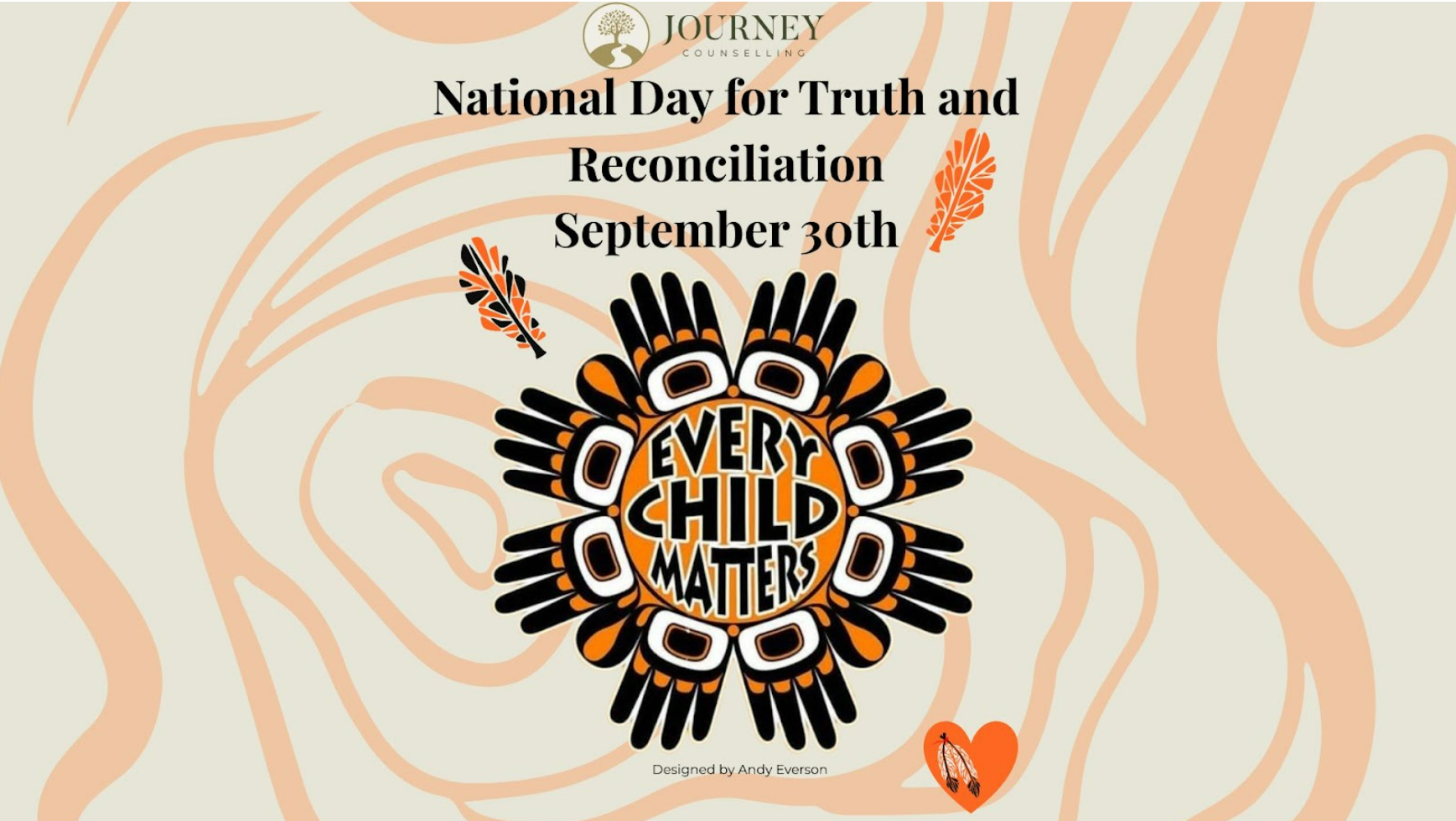
September 30th, National Truth and Reconciliation Day, is a time to honour the children who never returned home, the Survivors of residential schools, their families, and their communities. It is also a day to acknowledge the ongoing impact of colonialism, listen to Indigenous voices, and commit to building relationships grounded in truth, respect, and justice.
For over 150 years since the first residential school opening in 1831, Indigenous children were forcibly removed from their families and placed into residential schools. They were forbidden to speak their languages, practice their cultures, or see their loved ones. Most children experienced neglect, abuse, and trauma. The legacy of these schools continues to affect Indigenous communities today through intergenerational trauma, loss of language, and systemic inequities.
It is essential to remember that residential schools were only one part of the Canadian government’s wider attempts to assimilate and erase Indigenous Peoples. Other colonial policies included the pass system, which restricted Indigenous movement off reserve; the Sixties Scoop, where thousands of Indigenous children were taken from their families and placed in non-Indigenous homes; and the forced sterilization of Indigenous women and girls. The ongoing crisis of Missing and Murdered Indigenous Women, Girls, and Two-Spirit People (MMIWG2S) is another painful reminder that colonial violence continues today.
National Truth and Reconciliation Day calls on all of us to acknowledge these truths, support healing, and commit to meaningful action that respects Indigenous sovereignty and resilience.
For many Indigenous Peoples, this day is deeply personal. It is a day of remembrance, grief, and resilience. It is also a day of strength, where communities come together to share stories, lift each other up, and honour Survivors. But it can also be triggering and heavy, reopening painful wounds. Observing the day respectfully means recognizing that Indigenous Peoples carry this history every day—not just once a year.
National Truth and Reconciliation Day is not only a day of mourning, but also a day of honouring Indigenous resilience. For reconciliation to be real, it must be lived every day—in how we teach our children, how we build relationships, and how we commit to justice.
For non-Indigenous people, this day is a call to listen, learn, and act. Wearing an orange shirt is a meaningful gesture, but reconciliation requires much more—it means unlearning colonial attitudes, amplifying Indigenous voices, and taking ongoing steps toward equity and justice.
Read and watch testimonies shared through the Truth and Reconciliation Commission.
Educate yourself beyond what was taught in school—seek out Indigenous-authored books, podcasts, and films.
Contribute to organizations working on language revitalization, cultural programs, and healing initiatives.
Think about your own role in reconciliation. What changes can you make in your workplace, classroom, or community?