

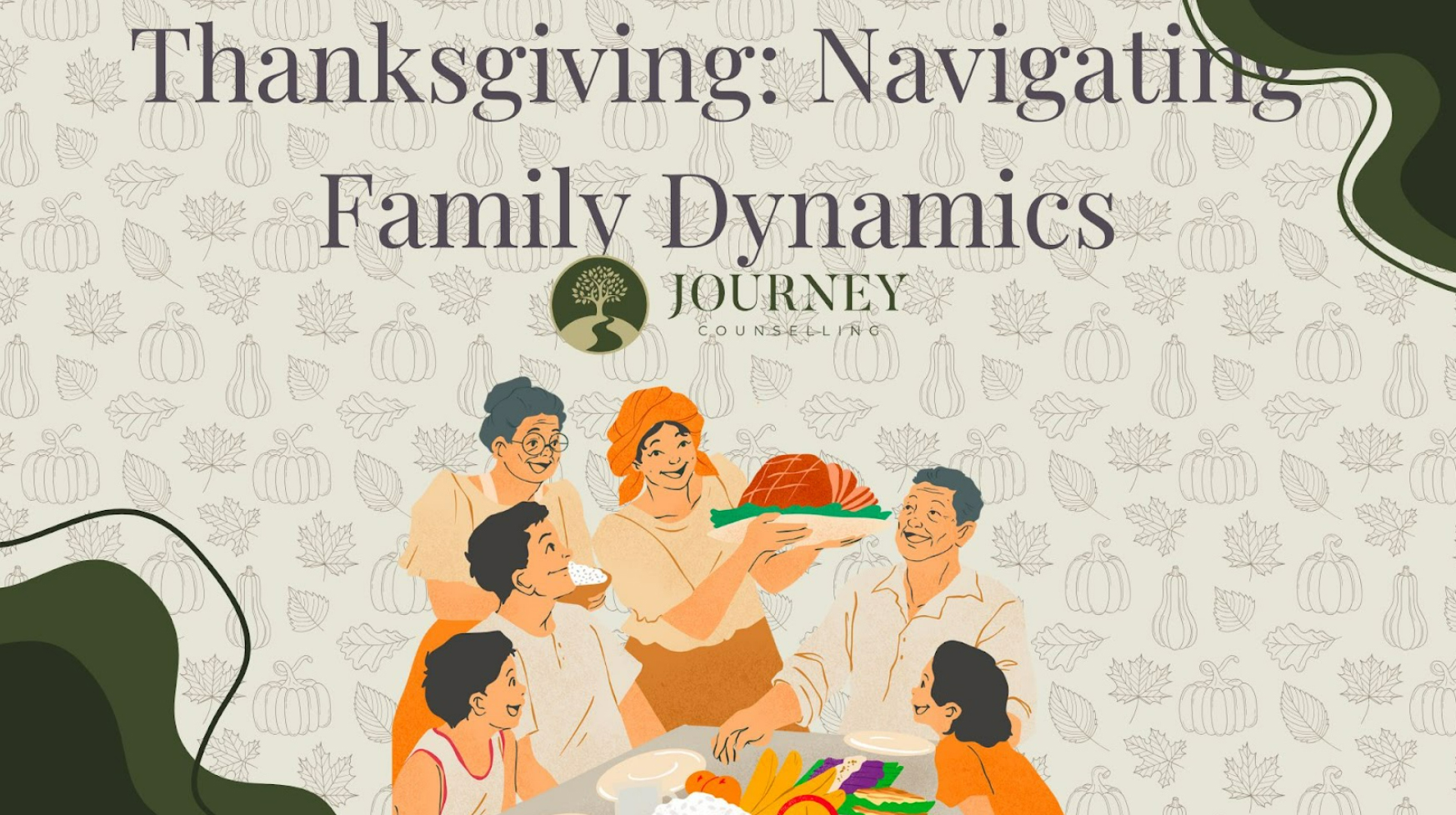
Thanksgiving often arrives with mixed emotions. For some, it’s a cherished time of gathering, sharing food, and reconnecting. For others, it can stir up old wounds, highlight strained relationships, or amplify feelings of loneliness. Many people even experience a little of both—moments of joy layered with moments of stress.
It’s important to acknowledge the complexity of family gatherings. They rarely look like the idealized images we see in commercials or movies. Instead, Thanksgiving can be messy, imperfect, and deeply human. And that’s okay.
Traditions often hold meaning, but they can also bring pressure. Maybe you’re expected to cook a certain dish, host a gathering, or participate in a ritual that doesn’t feel as comforting as it once did. Balancing tradition with your current needs can be tricky—especially if others in the family hold strong expectations.
Families often include multiple generations under one roof, each with their own perspectives, values, and communication styles. What feels respectful to one person may feel stifling to another. Misunderstandings can crop up quickly, particularly around sensitive topics like relationships, career choices, or politics.
Thanksgiving can bring together people who don’t always see eye-to-eye. Old tensions, whether spoken or unspoken, may surface. Sometimes, a casual remark can reopen old hurts. If this happens, it doesn’t mean the day is ruined—it simply highlights that family systems are complex, and healing often takes time.
For many, Thanksgiving is also a reminder of loss. An empty chair at the table can feel heavy with absence. Or perhaps the family looks different this year—because of separation, divorce, moving away, or even new additions. Change can bring both joy and grief, and it’s natural to feel both at once.
It’s normal to feel a mix of gratitude, stress, excitement, and sadness all at once. Give yourself space to recognize and accept your emotions rather than forcing yourself to “just be thankful.”
Family gatherings rarely unfold like we imagine. Instead of aiming for perfection, focus on small, meaningful moments—whether it’s sharing a laugh with a cousin, helping in the kitchen, or finding a quiet five minutes to breathe.
Boundaries don’t mean shutting people out. They mean creating enough space to stay grounded while staying connected. If a conversation topic feels too heated, it’s okay to step away, redirect, or politely say, “I’d rather not talk about that right now.”
Gratitude doesn’t have to be about grand gestures. It might be the taste of a favorite dish, a child’s laughter, or your own resilience in navigating a difficult day. Gratitude can live in small, quiet moments.
If family traditions feel heavy, you can introduce something new. Maybe it’s taking a morning walk, writing a list of personal gratitudes, or connecting with friends who feel like family. New rituals can bring balance to old ones.
If you know Thanksgiving will be difficult, consider planning a call with a supportive friend, journaling after the meal, or even scheduling downtime the next day. Preparing support for yourself can make the gathering feel less overwhelming.
Family members may bring their own struggles and limitations to the table. Their words and actions often reflect their own experiences, not your worth. While you can’t control how others behave, you can choose how you respond—and you can always choose to treat yourself with compassion.
Compassion doesn’t mean excusing hurtful behavior. It means recognizing that you deserve gentleness, understanding, and care—especially from yourself.
If Thanksgiving feels complicated for you, you’re not alone. Many people wrestle with mixed emotions during the holidays. Whether you’re celebrating with a full house, navigating tensions, or feeling the ache of absence, your experience is valid.
At Journey Counselling, we’re here to walk alongside you as you navigate family relationships, find balance, and build resilience. This season, may you find moments of joy, pockets of gratitude, and the strength to honor both your needs and your connections.
We offer individual and group therapy for children, teens, and adults, as well as family and parenting support. Contact us to book a free consultation or learn more.
📞 Call us at: (403) 619-5354
📧 Email: hello@journeycounselling.ca
🌐 Book online: journeycounselling.ca