

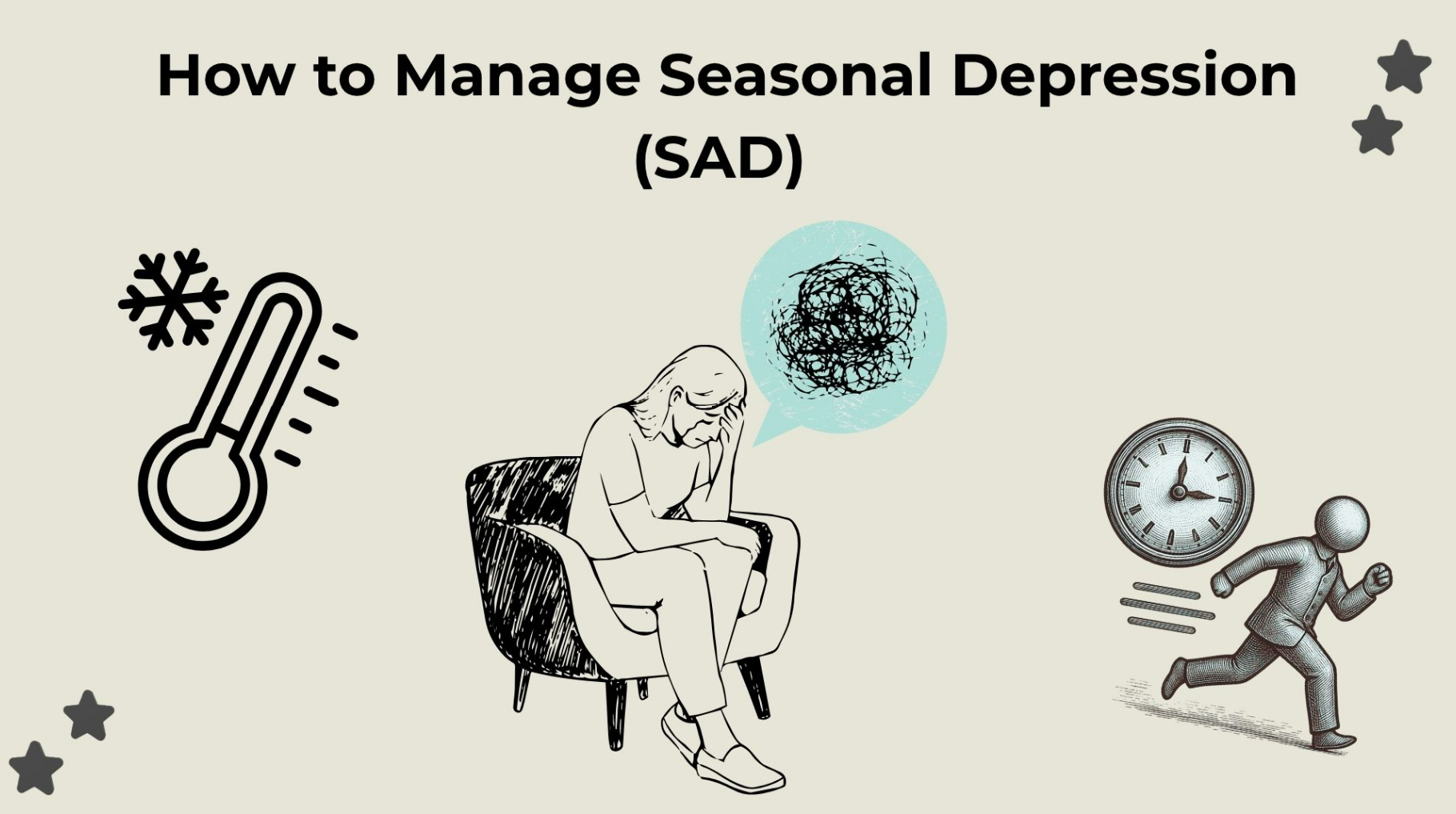
The leaves are changing, the temperature is dropping, and daylight is starting to disappear a little earlier each evening.
Maybe getting out of bed has started feeling a little harder. You are more tired than usual, even after a full night’s sleep. Plans suddenly require more energy, and things you normally enjoy do not sound quite as exciting.
It is easy to blame it on a busy September or the colder weather, but for some people, these changes can be early signs of Seasonal Affective Disorder (SAD).
Not every change in mood as the weather cools mean you have SAD. The winter blues might make you want to stay home more often. You might feel less energetic, dislike the darker evenings, or occasionally turn down plans.
The difference is that you can still enjoy things. You still want to watch your favorite show. Your hobbies still interest you. Seeing your friends can still make you feel good.
You may start losing interest in those things altogether. Your sleep, appetite, concentration, energy, and mood may noticeably change, and everyday responsibilities can become more difficult.
The important question is not just “Do I hate the colder months?”. It might be
You may start losing interest in those things altogether. Your sleep, appetite, concentration, energy, and mood may noticeably change, and everyday responsibilities can become more difficult.
The important question is not just “Do I hate the colder months?”. It might be “Do I become a different version of myself when the seasons change?”

If fall and winter usually tend to be difficult for you, you do not have to wait until you are struggling to start building supportive habits.
Treatment for SAD can vary from person to person, but there are several options that may help. Consider speaking with a healthcare provider to explore treatment options that are tailored to your individual needs.

As the days become shorter, finding opportunities to get outside during daylight hours can become more intentional. Take your coffee outside, go for a lunchtime walk, or spend a little time outdoors between classes or work.
When your energy drops, your social plans can sometimes disappear with it. Give yourself things to anticipate throughout the colder months (e.g. dinner with friends, a movie night, a fall activity, a fitness class, or even a weekly coffee date).
If you know the colder months tend to affect you, try telling someone you trust before things become difficult. Something as simple as “My mood tends to drop around this time of year, so check in on me sometimes, “ can help create support before you need to ask for it.
Movement does not have to mean an intense workshop. Go for a walk, stretch while watching TV, try a new class or dance around in your kitchen. Find something realistic enough so that you continue doing it even on the days when your motivation is not at its best.
Stuck in an emotional rut and need help to get out? Call now and book an appointment with one of our therapists.
📞 Call us at: (403) 619-5354
📧 Email: hello@journeycounselling.ca
🌐 Book online: journeycounselling.ca